
Craft a Brilliant World, Create a Better Life
National Chemical Leader, Global Engineering Pioneer
United Endeavor, Pragmatic Excellence

Innovation, Responsibility, Expertise, Win-Win
Who We Are
- 12hAfter-Sales Response
- Rapid after-sales response to ensure timely resolution of customer needs
- 99%Delivery Rate
- High delivery rate reflecting reliable supply chain and order fulfillment
- 100%Factory-Exit QC
- Full factory-exit quality control to guarantee product reliability
- 99%On-Time Delivery
- Consistent on-time delivery performance to support project schedules
What Can We Do



Our Responsibility
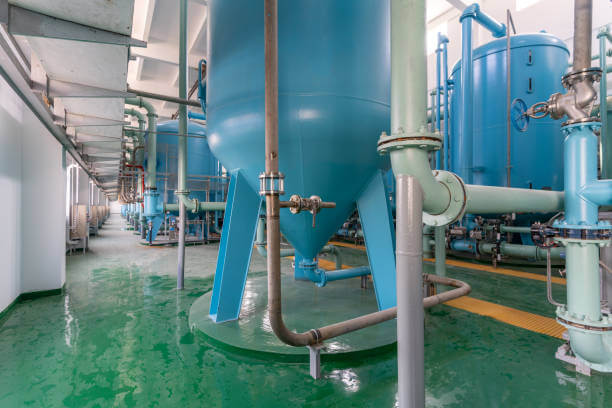
We are committed to being a leader in green chemistry and a benchmark for responsible development. ESG principles are deeply integrated into our business models, driving low-carbon innovation, safety compliance, and responsible collaboration. We dedicate ourselves to promoting sustainable transformation across the chemical industry.
News
View more
-
Sodium Lauryl Ether Sulfate SLES 70 Price Trend
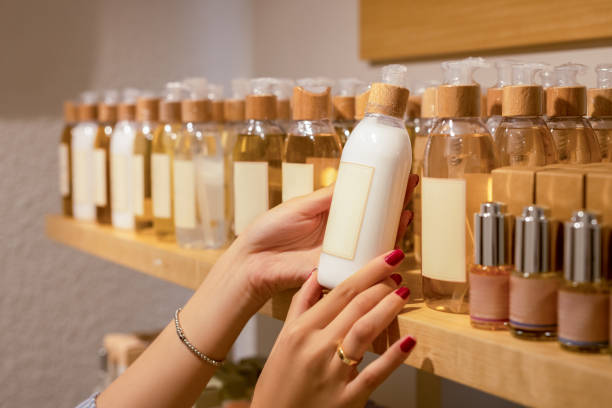
Sodium Lauryl Ether Sulfate at 70% active matter (SLES 70) occupies the highest-volume segment of the anionic surfactant market, with global production capacity exceeding 4.5 million metric tons per annum as of 2023. The price trajectory of SLES 70 is structurally tethered to two primary petrochemical and oleochemical intermediates: ethylene oxide (EO) and lauryl alcohol (C12–C14 fatty alcohol). Ethylene oxide, a downstream derivative of ethylene via oxidation over a supported silver catalyst, is priced predominantly on a quarterly contract basis in Asia and Europe, with spot premiums reflecting cracker turnarounds and ethylene supply disruptions. Lauryl alcohol is predominantly produced from palm kernel oil (PKO) through transesterification and hydrogenation, or via the Ziegler–Fischer process for synthetic grades; consequently, PKO futures on Bursa Malaysia and the CPO price index act as high-frequency leading indicators for lauryl alcohol cost. The combined feedstock contribution typically accounts for 52–58% of the ex-works SLES 70 cash cost for a non-integrated sulfator, based on engineering procurement and construction (EPC) cost models from 2021–2023 project feasibility studies published by Tecnon OrbiChem. During the Q3 2022–Q1 2023 period, a dislocation between EO contract settlements and lauryl alcohol spot indices caused the EO/lauryl alcohol cost ratio to compress to 0.78, the lowest since 2016, triggering margin erosion across Chinese continuous sulfation plants operating at nameplate capacities below 85%.What Distinguishes SLES 70 from Other Sulfated Surfactants in Contract Indexation?SLES 70 pricing in bulk export markets—particularly out of the Port of Shanghai, Rotterdam, and the US Gulf Coast—follows a formula-based indexation structure tied to the monthly ICIS Ethylene Oxide Contract Price (Europe) or the Platts Asian EO Marker, with a variable adder that reflects the lauryl alcohol ethoxylate (LAE) conversion margin and sulfation tolling fee. The LAE conversion margin is highly sensitive to the ethylene oxide/lauryl alcohol mole ratio, typically 2.0–2.5 moles EO per mole fatty alcohol for SLES 70, which establishes a ethoxylation cost layer atop feedstock cost. Integrated producers with captive EO and ethoxylation capacity (e.g., BASF, Sasol, Sinopec, and Wilmar) set a market floor during troughs, while independent sulfators in Shandong and Jiangsu provinces, operating single-train 3.5 ton/hour falling-film sulfation reactors (Ballestra or Chemithon design), act as swing suppliers, rapidly adjusting operating rates in response to the SLES 70-to-LAE spread. The spread is monitored daily by traders in Singapore and Dubai; a narrowing below $120/MT FOB China typically forces capacity rationalization within 4–6 weeks given the fixed cost burden of SO₃ generation plants and continuous neutralization loops.An additional layer of complexity arises from the coexistence of two lauryl alcohol supply chains: natural (PKO-derived) and synthetic (petroleum-derived, via the Ziegler process). The substitution elasticity between natural and synthetic C12–C14 alcohol in SLES 70 manufacture is limited by end-user specifications for cosmetics and personal care applications under EU Regulation 1223/2009, where natural origin claims (ISO 16128) restrict synthetic alcohol use. As a result, the price differential between natural lauryl alcohol (CFR NWE) and synthetic lauryl alcohol (FOB USG) has at times exceeded $380/MT during 2022, causing bifurcated SLES 70 pricing depending on the alcohol source declared in the Technical Data Sheet (TDS) and the certificate of analysis (COA). Finished product buyers in the home and personal care (HPC) sector—Unilever, P&G, L’Oréal—audit the alcohol origin through carbon-14 isotope ratio mass spectrometry (ASTM D6866) to validate natural content, thereby imposing an additional compliance cost layer on SLES 70 producers that switch feedstocks opportunistically.The ethoxylation step that converts lauryl alcohol to lauryl alcohol ethoxylate (LAE-2 or LAE-3) prior to sulfation is an exothermic, base-catalyzed reaction carried out in loop reactors or stirred-tank reactors with external heat exchange, operating at pressures of 2–4 bar(g) and temperatures of 140–165°C using potassium hydroxide catalyst at 0.3–0.5 wt%. The degree of ethoxylation (n) significantly influences the SLES 70’s viscosity profile, gel range, and the critical micelle concentration (CMC) in final formulations, but it also dictates the consumption ratio of EO to alcohol, which is the largest single cost driver. Process analytical technology (PAT) is increasingly deployed on ethoxylation lines: near-infrared (NIR) probes monitor the hydroxyl value in real time, enabling automatic termination when the target EO adduct distribution is reached, as specified by the required molecular weight distribution per ASTM D6342 for polyethoxylated derivatives. A shift of 0.1 in the average EO number—from 2.0 to 2.1—can alter the EO consumption per batch by ~1.8%, which at a scale of 50 kt/year translates to an additional $640,000 annual feedstock cost at $1,400/MT EO. Hence, tight SPC (statistical process control) limits are applied; producers targeting the European personal care market must also keep the 1,4-dioxane byproduct below the 10 ppm threshold mandated by the EU Cosmetic Products Regulation Annex III, a requirement that imposes a ceiling on sulfation temperature and residence time, further constraining the molar ratio tolerance window.In practice, the ethoxylation control loop must compensate for fluctuating Lauryl alcohol acid value (AV) and water content; incoming lauryl alcohol with a water content above 0.15 wt% generates polyethylene glycols (PEGs) as byproducts, leading to a loss of active EO equivalent and requiring higher EO feed to maintain the adduct number. This overfeed, termed "EO slippage," is vented from the reactor overhead and typically recovered via a scrubber system, but the recovery efficiency in a loop reactor rarely exceeds 92%, resulting in a direct economic loss of 8% of excess EO. Therefore, the landed cost of lauryl alcohol is evaluated not merely on the CIF price per metric ton but also on a penalty-adjusted basis that incorporates AV, saponification value, and moisture content per ASTM E203 and AOCS Cd 3d-63. Sophisticated procurement divisions in multinational surfactant houses operate linear programming (LP) models that dynamically optimize the alcohol portfolio—blending natural C12–C14 from Musim Mas, Wilmar, and KLK with synthetic cuts from Sasol or Shell—to minimize the combined penalty-adjusted cost while maintaining the required carbon-14 signature.The continuous sulfation of LAE with gaseous SO₃ in a multi-tube falling-film reactor (e.g., Ballestra FFR, Chemithon Annular Falling Film) is the definitive step that generates the acid form of SLES, which is immediately neutralized with aqueous sodium hydroxide (50% NaOH) to produce SLES 70. The design molar ratio of SO₃ to LAE is maintained between 1.01:1 and 1.03:1, with the slight excess ensuring complete sulfation while minimizing dioxane formation. The reaction exotherm is extreme: adiabatic temperature rise in the liquid film can exceed 80°C at the gas-liquid interface; therefore, shell-side cooling water at 15–25°C is circulated at high velocity to maintain the film temperature below 55°C. Exceeding 60°C in the film leads to accelerated 1,4-dioxane generation—kinetic data published in the Journal of Surfactants and Detergents (vol. 24, 2021) indicate that dioxane formation rate doubles for every 8°C increase above 50°C. For a facility supplying the EU and North American markets, the dioxane specification is ≤10 ppm (EU) and ≤20 ppm (US, per AAPCO guideline limits in finished cosmetic products), compelling operators to trade off throughput for quality. A reactor originally rated for 3.5 MT/h may be de-rated to 2.8 MT/h if cooling water inlet temperature rises seasonally above 28°C—a frequent occurrence in July–August at coastal sites in Guangdong and Saudi Arabia—which raises the unit fixed cost allocation by approximately 25% per ton of active matter.Neutralization immediately follows in a continuous high-shear loop reactor; pH control at the neutralizer exit is maintained at 7.0–7.5 via a pH probe transmitting to a NaOH dosing pump with a response lag not exceeding 3 seconds. Over-neutralization briefly produces localized high alkalinity that promotes ester cleavage and generates soap byproducts, reducing active content and altering the viscosity. Finished SLES 70 is a clear to slightly hazy viscous liquid with a viscosity range at 25°C of 200–500 cP (Brookfield, spindle 2, 20 rpm); however, at temperatures below 15°C SLES 70 enters a gel phase, causing pump cavitation and line blockage. Consequently, storage tanks and ISO containers are equipped with internal heating coils and the product is maintained at 25–30°C during transport, incurring an energy and equipment cost that is embedded in the delivered price. The gel temperature and viscosity plateau are sensitive to the average EO number: SLES with 2EO typically gels around 12–14°C, while 3EO variants gel near 10°C. During winter shipments from Rotterdam to Moscow, for instance, heat-tracing and insulated tank containers conforming to ADR RID regulations add an estimated $18–25/MT to logistics cost versus summer movements.Price volatility in the SLES 70 market is therefore amplified not merely by feedstock cost shifts but by periodic sulfation plant de-rating events induced by ambient temperature extremes, chemical quality excursions in the LAE feed (e.g., high carbonyl value causing color reversion), and mandatory dioxane mitigation campaigns. A production disruption at a large-scale plant in the Middle East in Q2 2023, triggered by a cooling water system failure during a 42°C ambient day, removed approximately 18,000 MT/month from the export network for six weeks, driving FOB Middle East spot prices from $1,220/MT to $1,625/MT within two weeks, as documented in the ICIS Surfactants Middle East report (May 2023). Such events highlight the concentration risk in the supply base, with the top five global SLES plants accounting for roughly 38% of total nameplate capacity.Table 1: Indicative Spot Price Range, Bulk SLES 70, FOB Main Ports, US$/MT (2021–2024)QuarterShanghaiRotterdam (ARA)US Gulf CoastQ1 20221,320–1,3801,490–1,5701,610–1,690Q2 20221,450–1,5201,640–1,7301,770–1,860Q3 20221,380–1,4401,570–1,6501,680–1,750Q4 20221,240–1,3101,400–1,4801,510–1,590Q1 20231,180–1,2501,320–1,3901,430–1,500Q2 20231,330–1,4501,480–1,5801,590–1,710Q3 20231,290–1,3701,440–1,5301,550–1,640Q4 20231,230–1,2901,370–1,4501,470–1,550Q1 20241,260–1,3201,400–1,4801,520–1,600The Shanghai-to-Rotterdam freight differential, historically ranging from $95–135/MT for ISO tank shipments via the East China Sea Suez route, tightened to $68–85/MT in H1 2023 due to weak container freight rates, before spiking to $145–175/MT in Q1 2024 following the Red Sea routing diversions around the Cape of Good Hope. This logistics cost volatility has prompted European buyers to increase contractual volumes from Mediterranean and Middle Eastern sources, such as the Sadara complex in Saudi Arabia and the Sasol plant in Italy, effectively altering the reference FOB benchmark for northwest European delivery and creating a two-tiered pricing structure: sea-borne spot cargoes subject to fluctuating freight surcharges versus regional pipeline/intermodal supply from integrated producers with stable inland logistics.Transport cost risk is now hedged through bunker fuel adjustment factor (BAF) clauses embedded in annual supply agreements, with BAF linked to the Platts Bunkerworld IFO380 index. During periods of elevated bunker fuel prices, BAF surcharges have added as much as $42/MT to the delivered cost of Asian-origin SLES 70 into Rotterdam, eradicating the typical landed-cost advantage and redirecting spot buying to ex-tank ARA material. This rerouting behavior is observable in Eurostat COMEXT trade data, where imports of anionic surfactants under CN code 3402 11 10 from China to the Netherlands fell by 12.7% year-on-year in January–May 2023, while intra-EU shipments from Germany and Italy rose correspondingly.SLES 70 placed on the European market is subject to the Registration, Evaluation, Authorisation and Restriction of Chemicals (REACH) Regulation (EC 1907/2006). The substance is registered jointly under the SLES REACH consortium, with a registration number assigned to the lead registrant (typically a large surfactant producer such as BASF or Solvay). The re-registration deadline for the 100–1000 tonne per annum band occurred in 2018, and for the next tonnage band upgrade, additional in vivo aquatic toxicity studies are often requested by the European Chemicals Agency (ECHA). Compliance costs—including the two-generation reproductive toxicity study (OECD 416) and extended fish early-life stage test (OECD 210) requested for the higher tonnage dossier—have been estimated by industry consortium reports at €1.8–2.4 million per endpoint, costs that are amortized across consortium members. For smaller non-European producers exporting into the EU, the cost of obtaining a Letter of Access (LoA) from the lead registrant to fulfill their REACH obligations can range from €15,000 to €45,000 per year per substance, depending on the tonnage band and the number of consortium fee-sharing revisions. This regulatory overhead acts as an effective trade barrier and has been capitalized into the delivered Rotterdam price premium, which is structurally $60–90/MT higher than the equivalent Shanghai FOB price, net of freight and insurance, for compliant grades.Additionally, the restriction on 1,4-dioxane under the EU Cosmetic Products Regulation (Annex III, entry 52) and the ongoing discussion to classify 1,4-dioxane as a CMR substance under CLP Regulation (EC 1272/2008) would force further purification steps, such as vacuum stripping at 80–100 mbar and 100–110°C immediately after neutralization, raising energy consumption by 18–22 kWh/MT and capital intensity. Pilot-scale stripping units retrofitted onto existing Ballestra lines in Italy and Thailand have demonstrated that dioxane can be reduced from 30–40 ppm to below 5 ppm, but at a throughput sacrifice of 8–12% due to increased residence time in the stripper. The resulting cost increment—approximately $47–63/MT—is expected to be passed through to EU personal care contract prices starting in 2025, adding a regulatory premium layer distinct from feedstock movements.In July 2023, the US Environmental Protection Agency (EPA) released a draft risk evaluation for 1,4-dioxane under the Toxic Substances Control Act (TSCA), proposing a chronic reference dose that could, if finalized, lead to similar dioxane restrictions for imported SLES 70. The potential alignment of EU and US dioxane standards would synchronize the technical specifications across the bulk of global demand and could lift the global cost floor, as producers serving multiple regions would apply the most stringent purification protocol to their entire output, rather than segregating grades.Table 2: Raw Material Cost Contribution to SLES 70 Cash Cost, Integrated Producer, US Gulf Coast (Q4 2023 Indicative)Cost ElementUnitValueShare of TotalLauryl Alcohol (natural, C12–14)US$/MT1,41033%Ethylene OxideUS$/MT1,35028%Ethoxylation variable + fixed costUS$/MT1854%Sulfation variable + neutralizationUS$/MT2105%Utilities (steam, power, nitrogen, cooling water)US$/MT952%Packaging, storage, logisticsUS$/MT1804%Amortized regulatory compliance (REACH/TSCA)US$/MT281%Total integrated cash cost ex-worksUS$/MT3,458—The above cost build-up, representing a vertically integrated producer with captive EO and alcohol capacity, demonstrates that feedstock items constitute approximately 61% of the total ex-works cash cost. However, non-integrated sulfators purchasing LAE on the merchant market face an additional $120–150/MT conversion margin charged by the ethoxylator, pushing total cash cost into the $3,600–3,650/MT range. Spot FOB USG prices falling below $1,500/MT would therefore imply negative net margins for standalone sulfators, causing them to idle capacity and tightening supply until the price recovers above the cash break-even threshold—a dynamic repeatedly observed in 2019 and 2023. The stickiness of the supply response stems from the high fixed costs of the SO₃ plant and the cost of maintaining reactors in hot standby; the minimum turndown ratio of a typical falling-film sulfation train is about 60% before reactor instability leads to product off-spec (high free oil or excessive color), so operators often continue to run below full cost recovery to cover a portion of fixed charges rather than shutting down entirely.The South Korean and Taiwanese SLES 70 export markets, which rely heavily on imported lauryl alcohol from Malaysia and Indonesia, experience a distinct pricing rhythm. The Korean Fair Trade Commission’s monitoring of oleochemical import dependencies and the mandatory 0% import duty on fatty alcohols under the Korea-ASEAN FTA create a relatively frictionless raw material pipeline, allowing Yeosu-based SLES plants to adjust FOB export offers with a lead time of only 2–3 weeks reltative to CPO price changes. This quick pass-through contrasts with the 6–8 week lag observed in European contract pricing, where quarterly EO contract settlements and the more formalized REACH compliance chain introduce inertia. Consequently, the Yeosu-to-Shanghai arbitrage window opens predictably when CPO futures drop by more than MYR 200/MT within a fortnight; Korean spot cargoes then arrive in Shanghai within 5 days, undercutting domestic Chinese SLES 70 prices by $15–25/MT and triggering a competitive response from local Zhejiang and Jiangsu producers, who then compress their ex-works offers.A satellite analysis of freight-adjusted SLES 70 pricing across the Yangtze River Delta reveals a persistent inland premium of $18–23/MT above Shanghai port gate levels for deliveries to Hefei or Wuhan, driven by the cost of heated tank truck transport over 400–600 km and the requirement for product temperature to remain above 20°C to avoid gelling. Domestic distributors in this corridor maintain buffer stocks at satellite depots with heated storage capacities of 300–500 MT, financed through inventory carrying costs that add roughly $6–9/MT/month to the end-user price. This stratification of pricing by geography and logistics intensity underscores the heterogeneity of the “SLES 70 price” as a composite indicator; formulators purchasing ex-tank equivalent at a blending facility near Barcelona face a fundamentally different cost stack from a contract manufacturer loading ISO containers at Jubail, and contractual price adjustment mechanisms must specify the precise FOB or delivered ex-tank reference point as well as temperature-maintenance obligations.
-
Sodium Lauryl Ether Sulfate (SLES) Uses in Detergent & Personal Care Industry
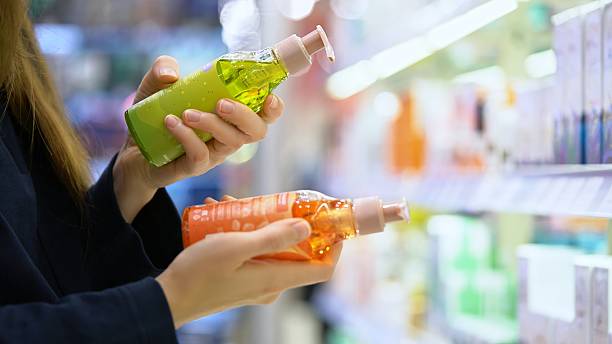
At an addition level of 8–12 wt% active matter in heavy-duty liquid laundry detergents, Sodium Lauryl Ether Sulfate (SLES) with an average ethoxylation degree of 2 moles EO functions as the primary anionic surfactant, frequently co-formulated with linear alkylbenzene sulfonate (LAS) to achieve an active SLES:LAS ratio between 1:1.5 and 1:2. The raw material, delivered as a 70% aqueous paste with a pH of 7.5–8.5, is post-dosed into a batch blending vessel equipped with a pitched-blade turbine operating at 150–250 rpm, after the nonionic surfactants (typically C12–C15 alcohol ethoxylates with 5–7 EO moles) and propylene glycol or ethanol hydrotropes have been pre-mixed to a homogeneous state. The viscosity-building mechanism relies on the formation of entangled wormlike micelles induced by electrolyte screening of the sulfate headgroups; sodium chloride is added incrementally to reach a concentration of 1.0–1.5 wt% on total formula weight, which generates a zero-shear viscosity in the range of 2,500–4,000 mPa·s (Brookfield LV, spindle 4, 20 rpm, 25°C). The processing window is exceptionally narrow: exceeding 1.8 wt% NaCl causes a phase transition from linear entangled micelles to branched, shorter micelles, resulting in a rapid viscosity drop to below 800 mPa·s, a shift that is detectable within ±0.2 wt% salt under plant conditions where bulk temperature may fluctuate by ±3°C due to heat of dilution and ambient variation. This salt-curve hysteresis is irreversible through simple standing; recovery to an isotropic pumpable liquid demands dilution with an additional 15–20% of unsalted base batch, causing schedule disruption and under-utilisation of mixing vessel capacity. The final viscosity must satisfy the pumpability parameters of high-speed rotary piston fillers (e.g., volumetric dosing stations operating at 80–120 bottles per minute), where a dynamic viscosity exceeding 3,000 mPa·s at a shear rate of 100 s⁻¹ leads to cavitation within the dosing cylinder and an under-fill reject rate above 2%. Formulation stability further requires compatibility with enzyme cocktails containing subtilisin-type protease and amylase; unlike LAS, which denatures proteases at elevated temperatures due to strong hydrophobic binding, SLES with its ether oxygen spacer attenuates protein–surfactant complexation, preserving >85% relative enzyme activity after 4 weeks storage at 37°C as measured by the azocasein assay. Calcium ion tolerance, a critical parameter in hard-water regions, is measured by the surfactant’s resistance to precipitation: SLES 2EO remains isotropic up to 1,200–1,500 ppm CaCO₃ in deionized water, whereas LAS precipitates at approximately 400–500 ppm. This performance gap permits the laundering of cotton and synthetic textiles without sequestration of soluble calcium from the washing bath, provided the LAS co-surfactant fraction does not exceed 60% of total anionic actives; above this threshold, calcium dodecylbenzene sulfonate deposits as a visible scum on fabric, quantified by a reflectance reduction of >3% in multiple cycle testing per IEC 60456. Foam regulation, which is critical in front-loading horizontal-axis washing machines, is controlled by incorporating a polarity-adjusted silicone antifoam or soap flakes (0.5–1.0 wt%); SLES contributes a foam volume of 180–220 mL initial and 150–180 mL after 5 minutes in the ASTM D1173 Ross-Miles test at 0.1% active, while the final formulation target is typically below 120 mL after 5 minutes to prevent foam lock in the drum. Compatibility with optical brighteners such as disodium diamino stilbene disulfonate (DASCC) is maintained because the micellar environment of SLES solubilizes the planar brightener molecules without the chromatic precipitation observed with cationic polymers, provided the free nonionic concentration does not exceed its cloud point.ParameterSLES 1EOSLES 2EOSLES 3EOCMC in deionized water at 25°C0.6–0.8 mmol/L0.8–1.0 mmol/L1.0–1.3 mmol/LSurface tension at CMC (Du Noüy ring, 25°C)27–29 mN/m28–30 mN/m29–32 mN/mRoss-Miles initial foam (0.1% active, 25°C, ASTM D1173)190–210 mL180–200 mL160–180 mLFoam after 5 min170–190 mL160–180 mL140–160 mLZein protein solubilization (in-vitro irritation proxy, mg/100 mL)220–300150–250100–180CaCO₃ stability limit (isotropic)800–1,000 ppm1,200–1,500 ppm1,600–2,000 ppmKrafft point (1% solution)0.92) and surfactant-rich environment; methylchloroisothiazolinone/methylisothiazolinone (MCI/MI) at 3:1 ratio is commonly employed, and the formulation must pass challenge testing per ISO 11930 with a target log reduction of >5 for Pseudomonas aeruginosa and >3 for Aspergillus brasiliensis within 7 days. Pumpability limitations arise when the product is stored at low temperatures: at 5°C the viscosity can spike to 5,000 mPa·s due to the onset of a hexagonal gel phase if the SLES 2EO concentration exceeds 20% active; this necessitates a freeze-thaw validation per ASTM D6938 and may require inclusion of 2–3% ethanol or sodium cumene sulfonate as a hydrotrope to maintain a pour point below 0°C.In shampoo and body wash systems, the rheological architecture hinges on the synergistic interaction between SLES (2EO) and cocamidopropyl betaine (CAPB) at a weight ratio of 2.5:1 to 3.2:1 on an active basis, which optimizes the packing parameter for wormlike micelle growth and delivers a plateau zero-shear viscosity in excess of 3,000 mPa·s without additional electrolyte beyond the sodium chloride inherent in the SLES feedstock (0.1–0.3 wt%). This non-electrolyte viscosity build is exploited to reduce the salt-curve gradient and mitigate the risk of overdosing-induced thinning under production variability, while also permitting the suspension of insoluble sensory modifiers such as ethylene glycol distearate (EGDS) crystals or hydrogenated castor oil beads at 0.5–1.5 wt%. The pearlescent effect requires a tightly controlled post-crystallization annealing step: the batch is heated to 70–75°C in a jacketed vessel to melt the EGDS completely, then cooled at a linear ramp of 0.3–0.5°C per minute to 30°C under low-shear anchor agitation (10–30 rpm); deviations in cooling rate yield platelet thickness distributions outside the optimum 2–5 µm range, which shifts the pearlescence from a silken lustre to a chalky opacity. The yield stress needed to permanently suspend 1% EGDS platelets is ≥0.1 Pa, a threshold routinely exceeded by the SLES-CAPB wormlike network at 14–16 wt% total active, as verified by controlled-stress rheometry (vane spindle, 0.01 s⁻¹). Microbiological robustness is challenged by the hydrophilic nonionic fraction often present; the formulation must be preserved with a broad-spectrum system active between pH 5.0–6.0, and sodium benzoate, while cost-effective, shows negligible activity at pH >5.3, making MCI/MI or phenoxyethanol-ethylhexylglycerin combinations preferable. The 1,4-dioxane content in SLES must be maintained below 10 ppm per EC 1223/2009 Annex III, verified by headspace GC-MS per ISO 10130; manufacturers employing continuous SO₃ sulfation with post-neutralization vacuum stripping routinely achieve levels below 5 ppm. Biodegradability under OECD 301B reaches >90% within 28 days, satisfying the Detergent Regulation (EC) No 648/2004. Finally, the hair conditioning complex formed when cationic polymer (e.g., polyquaternium-10) is coacervated with SLES micelles upon dilution must be carefully balanced: a cationic charge density of 0.6–0.8 meq/g and a polymer:SLES active weight ratio of 1:8 to 1:12 ensures deposition without visible flocculation, verified by turbidimetric titration to maintain clarity below 10 NTU at 1:10 dilution.Regulation / StandardRelevant Clause / AnnexKey RequirementSLES Compliance StatusEC 1223/2009 Cosmetics RegulationAnnex III (Substances provisionally allowed)1,4-dioxane ≤ 10 ppm; nitrosating agent absenceVacuum-stripped grades meet ≤5 ppm; standard preservation avoids nitrosamine riskEC 648/2004 Detergent RegulationAnnex II, IIIUltimate aerobic biodegradability ≥ 60% (28 d) and primary ≥ 80% (28 d)>90% ultimate biodegradation by OECD 301B; readily biodegradable classificationREACH (EC) 1907/2006Registration dossierFull registration as substance, tonnage band 1000+ tonnes/yearRegistered; no SVHC classificationNordic Swan EcolabelCriteria for cosmetic products 3.0SLES excluded for leave-on, restricted in rinse-off due to aquatic toxicity (LC50 1–10 mg/L)Compliant only when certified eco-profile data confirm NOEC ≥ 0.1 mg/L in formulation life-cycleISO 16128 Natural Origin IndexPart 1, 2Calculation of natural origin contentSLES scores 0 natural origin; not applicable for natural-organic claimsFDA 21 CFR 178.1010Indirect food additiveUse as sanitizer component in food-processing equipment washesPermitted as part of formulations; final residue must be removedSyndet (synthetic detergent) toilet bars formulated with SLES 2EO at 3–7 wt% on dry mass utilize the surfactant’s high solubility and low Krafft point to counteract the hard-water- induced lime-soap film and mushing typical of conventional fatty acid soap bars, while increasing the lather volume under cold water from a mere 50 mL (neat soap) to over 200 mL in a 30-second hand-lathering test (ASTM D1172 modified). Processing commences in a sigma-blade mixer where soap noodles (saponified palm/palm kernel blend), SLES paste (70% active), fillers (talc, starch), and optionally free fatty acid are homogenized at 40–50°C into a dough; the dough is then passed through a three-roll mill to reduce the aggregate size and through an integrated vacuum plodder (−0.8 bar gauge) to extrude a compact billet with density 1.1–1.2 g/cm³. The inclusion of SLES depresses the critical melting temperature of the soap crystalline lattice, so the plodder barrel temperature must be reduced by 5–8°C compared to a unmodified soap base to prevent slickness and die-plugging. Bar firmness measured by cone penetrometry (ASTM D1321) typically ranges between 120–160 tenths of mm at 25°C, which is slightly softer than conventional soap bars; a firmness below 180 tenths of mm is desired for user perception, yet SLES levels exceeding 7% increase plasticity and cause bar deformation under 1 kg static load testing. Mush reduction in hard water is quantified as weight loss after 4 cycles of immersion in 300 ppm CaCO₃ solution at 25°C; SLES-based syndets lose