
Our News
Industry Insights & Corporate News
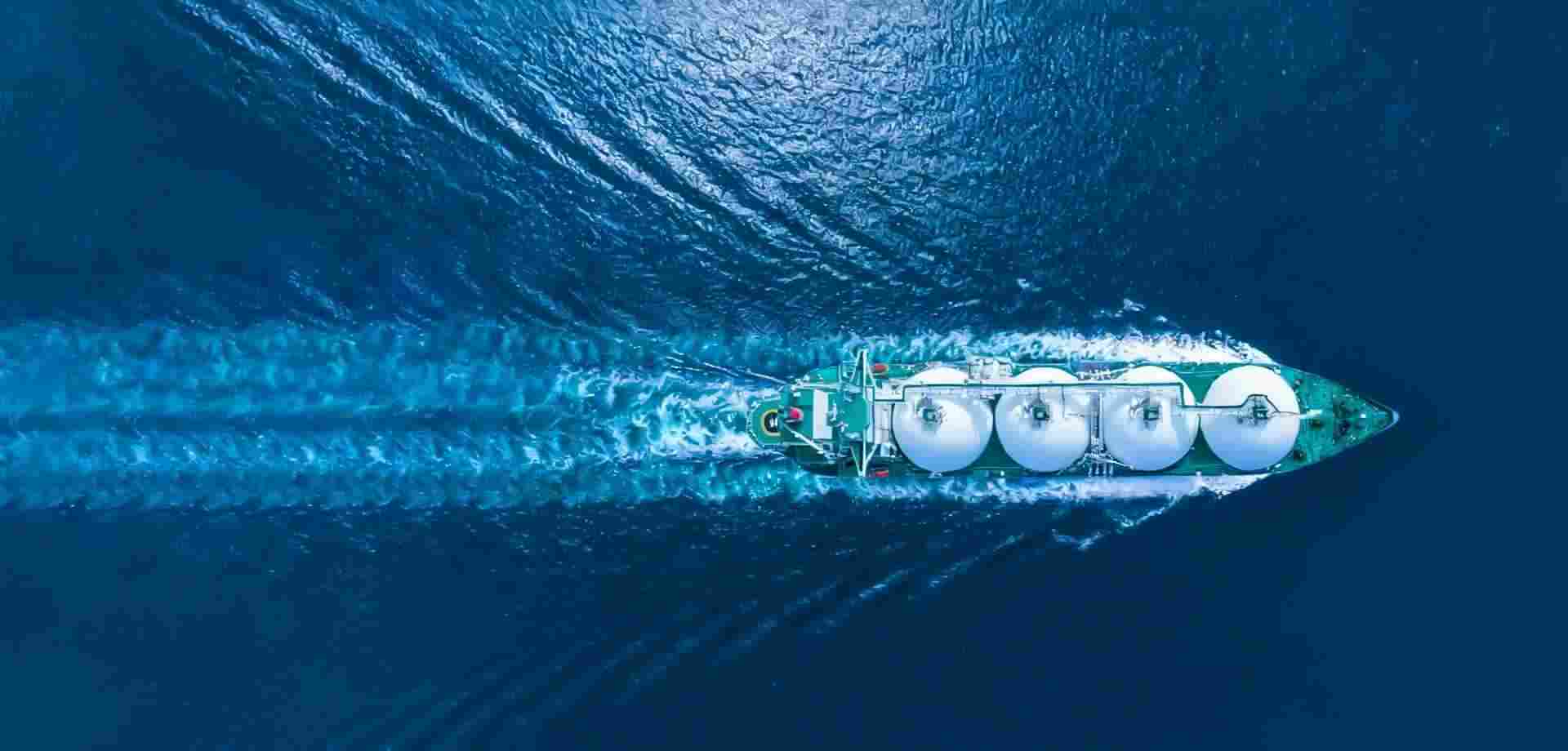
Sodium Lauryl Ether Sulfate SLES Manufacturers : Production Capabilities, Compliance, Packaging & Sourcing Strategy
Assessing a factory's capacity to handle large-scale orders requires an evaluation of its deep production capabilities and supply chain data. Key factors include the brand and quantity of its sulfonation units, actual annual production capacity, and its control over upstream fatty alcohol resources.
BASF (Germany/Global): BASF boasts an annual surfactant production capacity exceeding 1 million metric tons; its Texapon® N 70 product is a global industry benchmark. The company operates highly automated sulfonation and addition reaction facilities in locations such as Düsseldorf (Germany), Jinshan/Shanghai (China), and Thailand. BASF’s core competitiveness lies in its superior control over ultra-low 1,4-dioxane levels and exceptionally narrow color specifications (Hazen color value ≤ 10); its products cater to high-end pharmaceutical-grade applications, baby care products, and the stringent European eco-friendly market.
Ascent Petrochem Holdings Co., Limited: This company has a total annual surfactant production capacity exceeding 400,000 metric tons. It operates high-standard sulfonation facilities across four major bases: Jinshan (Shanghai), Dongguan (Guangdong), Changsha (Hunan), and Sanming (Fujian). This multi-base layout allows the company to leverage export container resources from both East China (Port of Shanghai) and South China (Nansha/Shekou ports), significantly reducing inland logistics costs. Its products demonstrate exceptional batch-to-batch consistency for export-oriented formulations and can be customized to slightly acidic (pH 5.5–6.5) or slightly alkaline (pH 7.0–9.5) ranges to ensure system stability when paired with specific preservatives (such as MIT/CMIT or sodium benzoate).
For buyers seeking to enter the supply chains of major global retailers (such as Walmart and Target) or international giants (such as Unilever and P&G), compliance—backed by rigorous quality control and global certification—is a critical "make-or-break" factor.
1,4-Dioxane Control and Testing Technology: 1,4-Dioxane is a potent carcinogenic by-product formed during ethylene oxide addition and sulfonation processes. The EU’s SCCS and California’s AB 2762 legislation impose extremely strict limits on dioxane content in detergents (mandating that levels in finished consumer products must not exceed 1 ppm). At the production stage, top-sles tier manufacturers (such as BASF, Zanyu, and KLK) utilize high-efficiency vacuum thin-film evaporators and steam stripping columns following the sulfonation-neutralization phase. Operating under high vacuum at temperatures of 60°C–70°C, these systems strip away dioxane, forcibly reducing levels in industrial-grade products from the standard 30–50 ppm range to below 10 ppm; high-end, custom batches can even be consistently controlled to levels below 5 ppm. Regarding testing, compliant factories strictly prohibit the use of standard Gas Chromatography with Flame Ionization Detection (GC-FID), mandating instead the use of Headspace Gas Chromatography-Mass Spectrometry (HS-GC-MS, such as the Agilent 7890B/5977B). Factories are required to provide buyers with a clear, batch-specific Certificate of Analysis (COA) stating the actual dioxane value measured via HS-GC-MS (e.g., 4.2 ppm) and must be prepared to issue a legally binding guarantee regarding low dioxane levels. SLES manufacturers compliant with global regulatory inventory registration and certification requirements must hold the following registrations and certificates:
EU REACH Full Registration: SLES (CAS No. 68891-38-3 / 68585-34-2; EC No. 500-234-8) must undergo REACH Full Registration—covering an export volume exceeding 1,000 tonnes per year—completed by the manufacturer via its EU Only Representative (OR). Suppliers holding only "Pre-registration" status cannot legally clear European customs.
Halal and Kosher Certifications: Manufacturers must hold Halal certification issued by authoritative international bodies (such as JAKIM, MUI, or IFANCA) and Kosher certification issued by Star-K or OU, confirming the absence of animal-derived ingredients and alcohol-based washing residues in the production process.
Chemical Inventories for the Americas and Asia-Pacific: Products must be listed on the US TSCA (Active) Inventory, the Canadian DSL, the South Korean K-REACH (ECL) Existing Substances List, and the Australian AICIS Inventory, thereby permitting legal commercial sales.
KLK OLEO (Bukit Jelutong, Kuala Lumpur, Malaysia): KLK is a leading global player in vertically integrated natural oleochemicals, with an oleochemical production capacity exceeding 2 million metric tons. The natural C12–C14 fatty alcohols used in its SLES production are derived 100% from the company’s own palm oil and palm kernel oil (PKO) plantations, completely insulating it from the risk of raw material supply disruptions by third parties. KLK’s premium SLES is dedicated to the personal care markets in Europe and North America; its core strength lies in offering products certified by the Roundtable on Sustainable Palm Oil (RSPO)—including both Mass Balance and Identity Preserved models.
SLES Shipping, Logistics, and Packaging Details
SLES 70% is a high-viscosity paste; the logistics and packaging method chosen directly impacts ocean freight efficiency.
Container Loading Optimization (20’ FCL Capacity Limits)
170kg HDPE Plastic Drums:
Palletized Loading: 20 pallets per container (80 drums total), with a net product weight of 13.6 metric tons. This method greatly improves unloading efficiency via forklift at the destination port and significantly reduces the risk of transit damage.
Loose Loading: Maximum capacity of 114 drums per container, with a net product weight of 19.38 metric tons. This method reduces ocean freight costs per ton by approximately 30%, though the destination port requires specialized drum clamps or relies on extensive manual labor for unloading.
1000kg IBC Totes: 18 IBC totes per container, with a net weight of 18 metric tons. Suitable for automated medium-sized factories; unloading is extremely fast with zero product residue.
Flexitank (Bulk Liquid Bag): A food/industrial-grade PE+PP flexitank is installed inside the container, allowing for a load of 20 to 22 metric tons. This is the most cost-effective option for large-scale factories, offering a combined optimization of packaging costs and freight efficiency exceeding 35%.
ISO Tank: Capacity of 20 to 24 metric tons; primarily used for direct transfer between factories via fixed pipeline connections.
Guidelines for Unloading and Dilution in Cold Climates
SLES 70% exhibits unique physical phase-change characteristics: its viscosity rises exponentially when the ambient temperature drops below 15°C. When temperatures fall to 0°C–10°C, it solidifies into a semi-solid gel, rendering pipeline pumping operations completely inoperable. SOP for Low-Pressure Steam Heating and Unloading: When shipping via flexitank or ISO tank to Russia, Europe, or North America during winter, the factory must equip the container with a bottom steam heating pad. Prior to unloading, continuous heating must be applied for 6–12 hours using low-pressure saturated steam (pressure < 0.5 bar; temperature 60°C–70°C). The use of high-pressure, high-temperature steam for rapid heating is strictly prohibited; such conditions cause localized overheating, leading to the thermal degradation of sulfonates, a sharp increase in free acid content, and product discoloration.
Guidelines for Avoiding the "Gel Zone" During Physical Dissolution and Dilution:
During the dilution of SLES 70% with water, the system enters a "liquid-crystal gel phase" (monomeric/hexamer gel phase)—characterized by extremely high viscosity and a hard, semi-solid state—when the concentration drops to the 30%–60% range. If the process inadvertently enters this gel zone, standard stirring motors will jam and cease operation.
Standard dilution procedures require strict adherence to the "slowly add SLES 70% to warm water" sequence (water first, then SLES) combined with the use of a high-shear disperser, while maintaining a water temperature of 40°C–50°C. Adding water directly to the SLES paste is strictly prohibited, as this causes the instantaneous formation of impenetrable gel clumps that block further water penetration.
Prices for bulk fine chemicals are heavily influenced by upstream petroleum and agricultural commodity markets, and the flexibility of commercial terms directly impacts procurement costs.
Sample Policy and Cost Offsetting: Factories typically provide free samples (500g to 1kg) for buyers to conduct gas chromatography, viscosity, and formulation testing. While buyers prepay for international express shipping (via DHL/FedEx), the shipping cost is fully deductible (100%) from the total value of the bulk order once the formal contract (Proforma Invoice) is signed.
Transparent Cost-Linkage Formulas and Tiered Pricing:
Raw Material Linkage Mechanism (Price Index): The price of SLES 70% is highly dependent on the spot prices of upstream natural fatty alcohols (C12-C14; referenced against Platts or ICIS Palm Kernel Oil/PKO indices) and ethylene oxide (EO). Major manufacturers offer long-term contract buyers a transparent pricing formula: (Fatty Alcohol Consumption Coefficient × Fatty Alcohol Spot Price) + (EO Consumption Coefficient × EO Spot Price) + Sulfonation Conversion Margin.
Tiered Pricing: Discounts are structured based on single-order volumes—such as 1 container (~20t), 5 containers (~100t), and over 10 containers (~200t+)—as well as annual framework agreements. Additionally, a price validity window of 14–30 days is offered for large orders to mitigate risks associated with spikes in ocean freight rates and raw material costs.